NMEA 2000 – The Smart Backbone of Modern Marine Electronics
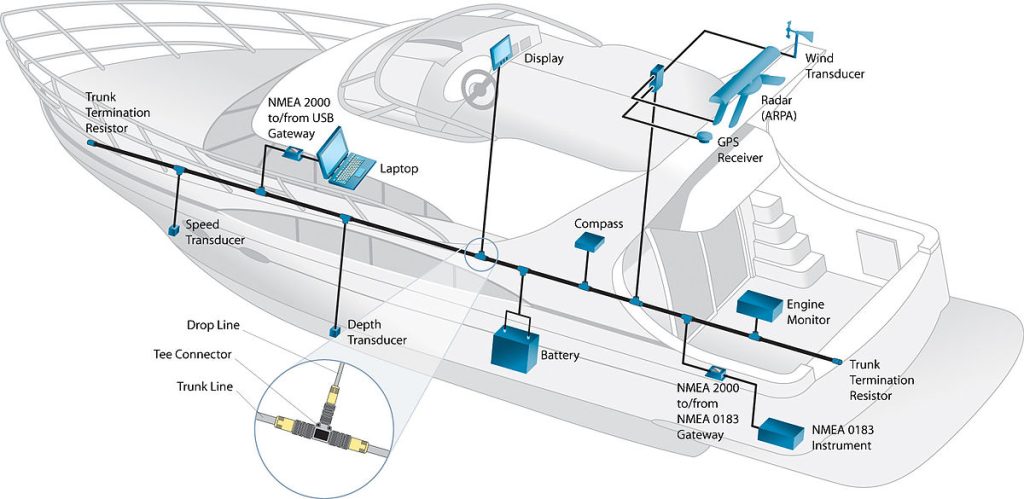
Thanks to NMEA 2000, boating is able to reach peak levels of connectivity and intelligence. If you’re considering outfitting your boat with all-new marine electronics or upgrading your older equipment, understanding NMEA 2000 is key to getting things set up properly.
What is NMEA 2000?
NMEA 2000, at times abbreviated as N2K, is a standardized marine networking protocol that allows various onboard devices to communicate with each other via a single backbone cable. Developed by the National Marine Electronics Association (NMEA), it’s the successor to NMEA 0183, offering much faster data transmission, plug-and-play installation, and support for multiple devices on a shared network.
Key features of NMEA 2000:
-
Plug-and-play connectivity
-
Robust, waterproof connectors
-
Standardized communication between different brands and electronics
-
Can support up to 50 devices on one network
1. Why NMEA 2000 Matters to Today’s Boater
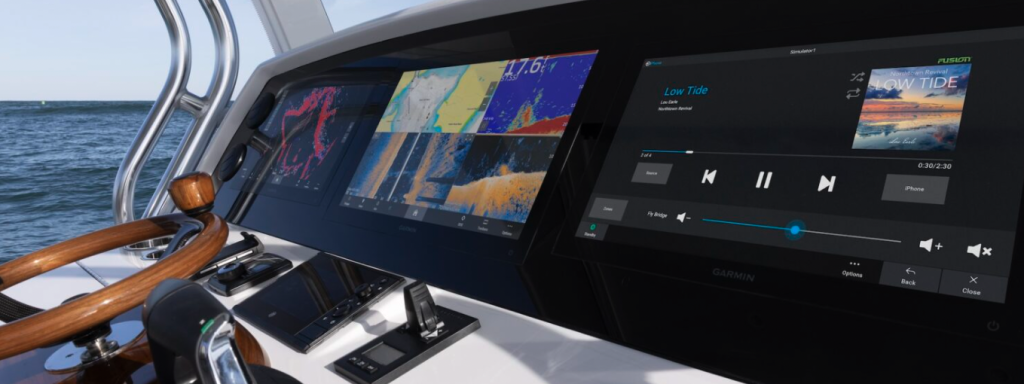
With more electronics onboard than ever before—GPS, radar, engine monitors, AIS, sonar, autopilot—NMEA 2000 lets them all speak one common language. This means:
- Simpler troubleshooting
- Real-time data sharing across the boat
- Expandable systems without requiring extensive rewiring
It reduces the cable clutter and confusion often associated with older on board marine systems.
2. Common Devices That Use NMEA 2000
NMEA 2000 supports a wide range of marine electronics and onboard equipment, including:
Brands like Raymarine, Furuno, Simrad and Lowrance build NMEA 2000-compatible products, many of which are available here at Citimarine Store.
3. Backbone & Spur: How an NMEA 2000 Network is Built

A basic NMEA 2000 network has:
-
A backbone cable (the main data highway)
-
T-connectors and drop cables (also called spurs) connecting devices
-
Terminators at each end of the backbone
-
A 12V power source for the network
It’s modular and easy to expand—just add a new T-connector and spur cable to connect additional devices.
4. NMEA 2000 vs. NMEA 0183 – What’s the Difference?
| Feature | NMEA 0183 | NMEA 2000 |
|---|---|---|
| Connection | Point-to-point | Multi-device bus |
| Data Speed | 4,800 bps | 250,000 bps |
| Installation | Complex wiring | Plug & play |
| Expandability | Limited | High |
| Compatibility | Device-specific | Cross-brand standard |
If you’re still using NMEA 0183, it’s worth planning for an upgrade to NMEA 2000. If in or near South Florida, one our marine electronics specialists can assist with this upgrade.
5. Troubleshooting and Maintaining Your NMEA 2000 Network
-
Use an NMEA 2000 diagnostic tool or test meter
-
Check for voltage drops or loose connectors
-
Avoid mixing incompatible connectors—use certified NMEA 2000 or compatible cables from brands like SeaStar Solutions, Maretron, and Raymarine (with SeaTalkNG adapters if needed)
6. Planning Your NMEA 2000 Network: Tips Before You Buy
-
Map out which devices you want to connect
-
Ensure you have enough T-connectors and power taps
-
Choose drop cables of the right length (avoid excess slack)
-
Confirm compatibility between devices (some brands use proprietary connectors—adapters are available)
Smarter Boating Starts with Smarter Connections
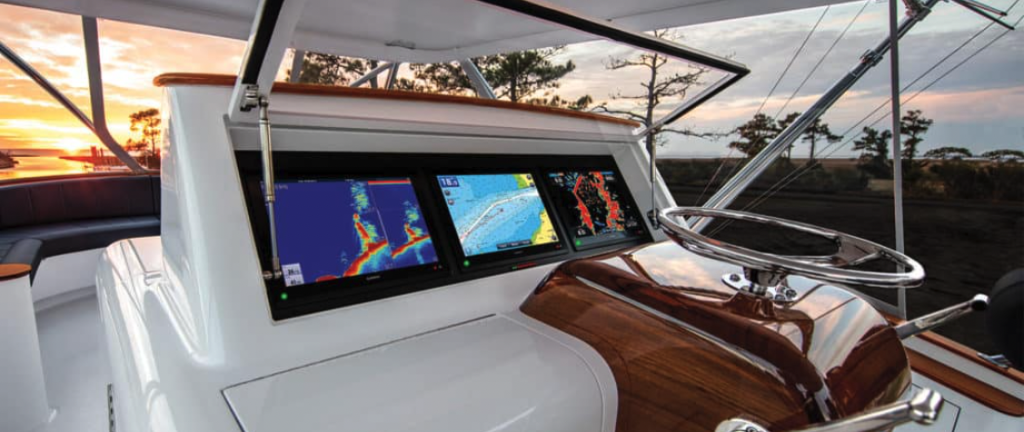
NMEA 2000 is no longer just for high-end yachts—it’s becoming standard across all types of vessels. Whether you’re upgrading your boat’s electronics or starting from scratch, understanding and implementing NMEA 2000 will give you a safer, more streamlined, and enjoyable boating experience.
Benefits of NMEA 2000
- Plug-and-play integration: Uses standardized connectors and cables, making it easy to connect and disconnect devices from different manufacturers without compatibility issues.
- Faster data transfer: The system can transfer data at 250 kilobytes per second, which is significantly faster than older systems like NMEA 0183, allowing for real-time data sharing.
- Simplified wiring: A single backbone cable carries both data and power, reducing the amount of wiring needed compared to older systems.
- Device interoperability: Allows for seamless communication between a wide range of marine electronics, such as GPS, autopilots, engine monitors, and fish finders, from different brands.
- Centralized data: Provides a single network to monitor all onboard systems, creating a more cohesive picture of the vessel’s performance and making troubleshooting easier.
- Low power consumption: The network is designed to be energy efficient, using modern electrical technology to minimize battery drain.
- Scalability: Can support up to 50 connected devices on the network.
Any questions on NMEA 2000, or if you need assistance installing or refitting new marine electronics on your vessel, just let us know!

Citimarine Store
10801 NW 33rd St.
Miami, FL 33172
1-(800)-766-5256
sales@citimarine.com
CitimarineStore.com
–







2 Comments
Saludos
Me interesa el sistema NMEA 2000
Uds tienen personal que hablen en español?
Gracias
Sí señor, puede contactarnos a través de nuestra línea principal al +1 (800) 766-5256 o por correo electrónico a sales@citimarine.com y con gusto le ayudaremos.
Gracias.